

15 Countries Express Concern over the Dire Situation of Journalists in Tajikistan
Fifteen countries expressed concern at a meeting of the Permanent Council of the Organization for Security and Co-operation in Europe (OSCE) over the arrest, prosecution and conviction of journalists in Tajikistan and several other countries in the region. Their statement comes as press freedom organizations identify closed trials, allegations of torture and the use of anti-extremism legislation as major concerns in cases against Tajik journalists.
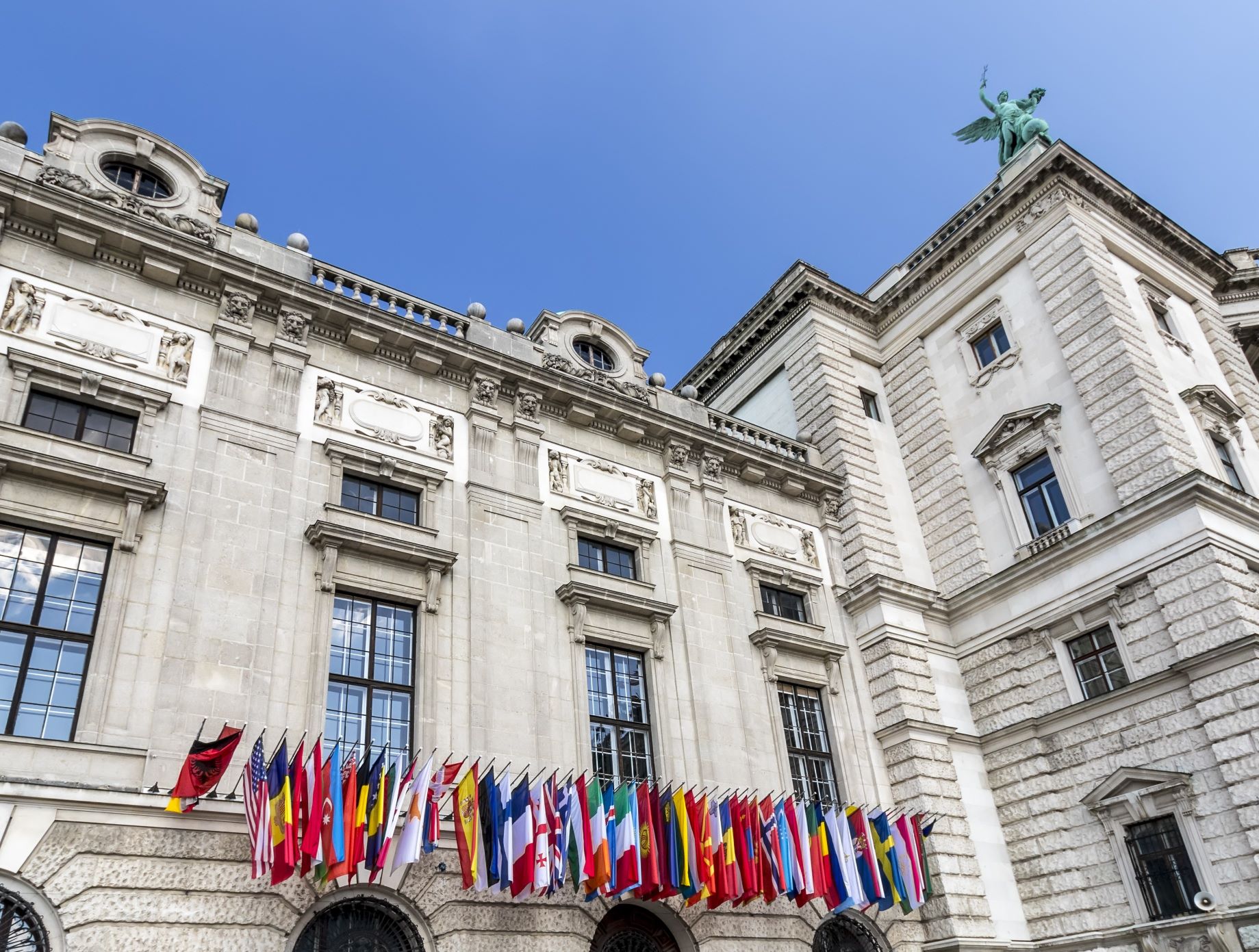
The statement was delivered in Vienna on 5 November 2026 by Finland’s Permanent Representative to the OSCE, Outi Hyvärinen, on behalf of the Informal Group of Friends on the Safety of Journalists. The group comprises Austria, Canada, Denmark, Estonia, France, Germany, Greece, Latvia, Lithuania, Montenegro, the Netherlands, Norway, Sweden, the United Kingdom and Finland.
The official statement, published by the UK government, names Tajikistan among countries where the arrest and imprisonment of journalists demonstrate serious breaches of international commitments on media freedom.
Concern over the Use of Courts against Journalists
The signatory countries warned that, across the OSCE region, judicial and penal systems are sometimes used against journalists at the direction of the executive authorities, rather than to protect them and investigate attacks against them.
The countries signing the statement called on authoritarian states to ensure that their laws and official practices do not obstruct independent journalism, that attacks on journalists are publicly condemned, and that violence by officials against journalists is investigated promptly, impartially and effectively.
Cases in Tajikistan: Lengthy Sentences and Closed Trials
More detailed evidence is presented in the Committee to Protect Journalists’ (CPJ) submission to the United Nations.
On 17 April 2026, the organization reported that nine journalists had received lengthy prison sentences in Tajikistan since 2022. According to CPJ’s assessment, charges related to extremism and terrorism were used in eight of these cases, and the organization questions the basis for those charges.
CPJ also says that all nine journalists were tried behind closed doors and that their lawyers were required to sign non-disclosure agreements. Most of the cases involved allegations of torture or ill-treatment to obtain confessions. These findings reflect CPJ’s assessments and the information it collected.
Closed trials also raise questions about the independent scrutiny of allegations: when prosecution evidence, lawyers’ arguments and the grounds for verdicts are unavailable, the public has limited means of assessing the fairness of judicial proceedings. In its detailed submission, CPJ noted that the secrecy surrounding the cases prevented it from establishing the extent to which courts had relied on evidence obtained through torture or psychological pressure.
From Rukhshona Khakimova’s Sentence to Restrictions on Media Outlets
In its submission for the UN review of Tajikistan, Human Rights Watch cites journalist Rukhshona Khakimova’s case as an example of judicial proceedings lacking transparency. She was sentenced to eight years in prison following a closed trial in February 2025. According to the organization, the details of the case were classified.
Human Rights Watch also highlights the ban on Pamir Daily News. Tajikistan’s Supreme Court designated the online outlet as “extremist” in June 2023. The rights organization says it was among the few media outlets covering the crackdown on protests in Badakhshan in 2022.
These cases show that international organizations’ concerns extend beyond the sentencing of individual journalists. They address both access to a fair trial and the ability of media outlets to continue operating.
A Reduced Sentence Does Not Mean a Conviction Has Been Overturned
Alongside prison sentences, subsequent developments in individual cases must also be taken into account. For example, in its profile of Khushruz Jumayev, known as Khushom Gulyam, CPJ reports that his prison sentence was reduced by one year under an amnesty in July 2026.
Jumayev had been sentenced to eight years in prison in December 2022. The reduction does not amount to an acquittal or the overturning of his conviction. CPJ also reports concerns among those close to him about his health, as well as allegations of ill-treatment.
The Authorities’ Position and the Question of Independent Investigations
Tajik authorities have denied allegations of torture in some cases. According to CPJ’s submission, the authorities said a prosecutor’s investigation found no evidence of torture in the case of Abdusattor Pirmuhammadzoda, who is also identified in the document by the surname Kotibov. The journalist’s relatives, according to the same source, questioned the independence of the investigation.
The issue of press freedom in Tajikistan has thus once again been raised internationally, this time through a coordinated statement by 15 countries. Previously, it had been raised primarily by human rights organizations.


