

During the review of Tajikistan’s human rights record in Geneva, France and the Netherlands raised the events in Badakhshan, calling for an independent investigation and respect for judicial safeguards. These recommendations came as the UN Committee against Torture also expressed concern about the lack of prompt, effective and independent investigations into killings, torture and arbitrary detention in the region.
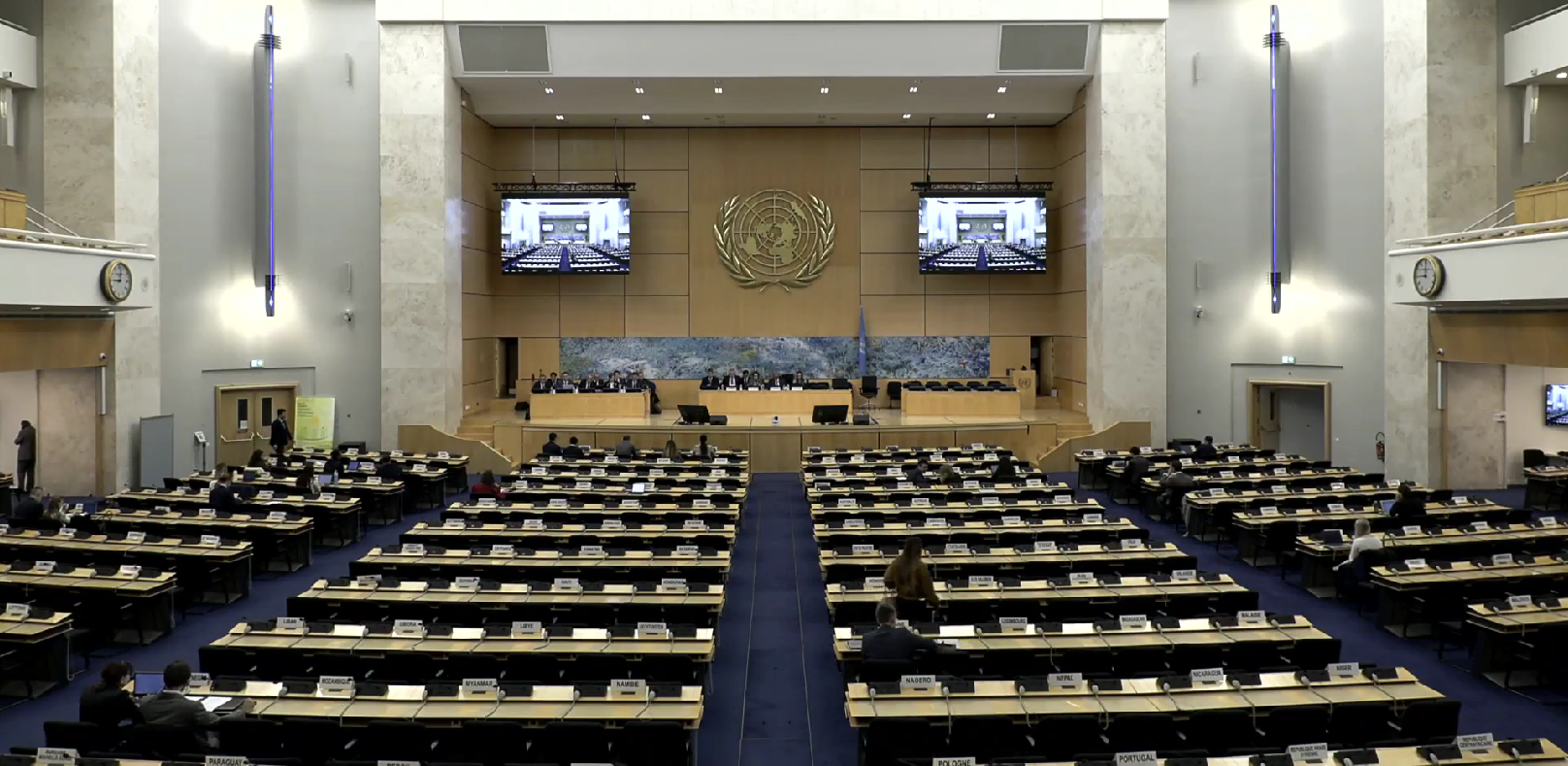
At the 53rd session of the Universal Periodic Review Working Group, which reviewed Tajikistan in Geneva on 5 November 2026, France called for independent, impartial and transparent investigations into civilian deaths and human rights violations in Badakhshan in 2021 and 2022.
The Netherlands also recommended that all state actions in the Gorno-Badakhshan Autonomous Region fully respect human rights and the rule of law. Its recommendation identified independent investigations and fair trials as ways to meet this requirement.
The UN Committee Had Previously Called for Investigations
The question of holding Tajikistan’s repressive regime accountable for the events in Badakhshan had already been raised in UN documents before the November session.
In paragraphs 30 and 31 of its concluding observations on Tajikistan, the Committee against Torture expressed concern about the lack of prompt, effective and independent investigations into torture, ill-treatment, excessive use of force, killings and arbitrary detention during the largely peaceful demonstrations of 2021–2022.
The Committee referred to reports of 40 deaths, 24 injuries, including 13 among members of the security forces, and numerous arbitrary detentions. These figures come from the reports cited by the Committee.
The UN called on Tajikistan to investigate all these allegations, hold those responsible accountable and provide full redress to victims or their families. The Committee also recommended publishing statistics on complaints, investigations and convictions relating to torture.
Lengthy Sentences Following Closed Trials
In its submission for the UN review of Tajikistan, Human Rights Watch states that, by 2023, 205 Badakhshan residents had been sentenced following closed trials in connection with the events of 2021–2022.
According to the organisation, 11 people received life sentences. Those convicted include journalists, lawyers and civil society activists.
Human Rights Watch specifically cites the cases of journalist Ulfatkhonim Mamadshoeva and lawyer Manuchehr Kholiknazarov, questioning the fairness of their trials. The organisation also reports that five Pamiri activists died in custody in 2025 and states that these deaths had not been investigated by the time its report was prepared.
What Do the Tajik Authorities Say?
The Tajik authorities reject the assessments of human rights defenders and attribute their operations in Badakhshan to the need to maintain security and combat criminal groups.
According to the UN Information Service’s account of Tajikistan’s review by the Committee against Torture, the Tajik delegation denied the use of unlawful measures and arbitrary detention in April 2026.
Government representatives stated that riots and attacks on law enforcement officers had taken place in the region and that criminal groups had links to terrorist groups in Afghanistan. According to the delegation, law enforcement actions were aimed at protecting civilians. This is the position of the Tajik government; despite these explanations, the UN Committee retained its call for an independent investigation in its concluding observations.
The Call for an Investigation
France’s recommendation directly concerns establishing the circumstances of civilian deaths and human rights violations. The Netherlands’ recommendation is broader, covering both the actions of state authorities and the unfairness of the trials.


