

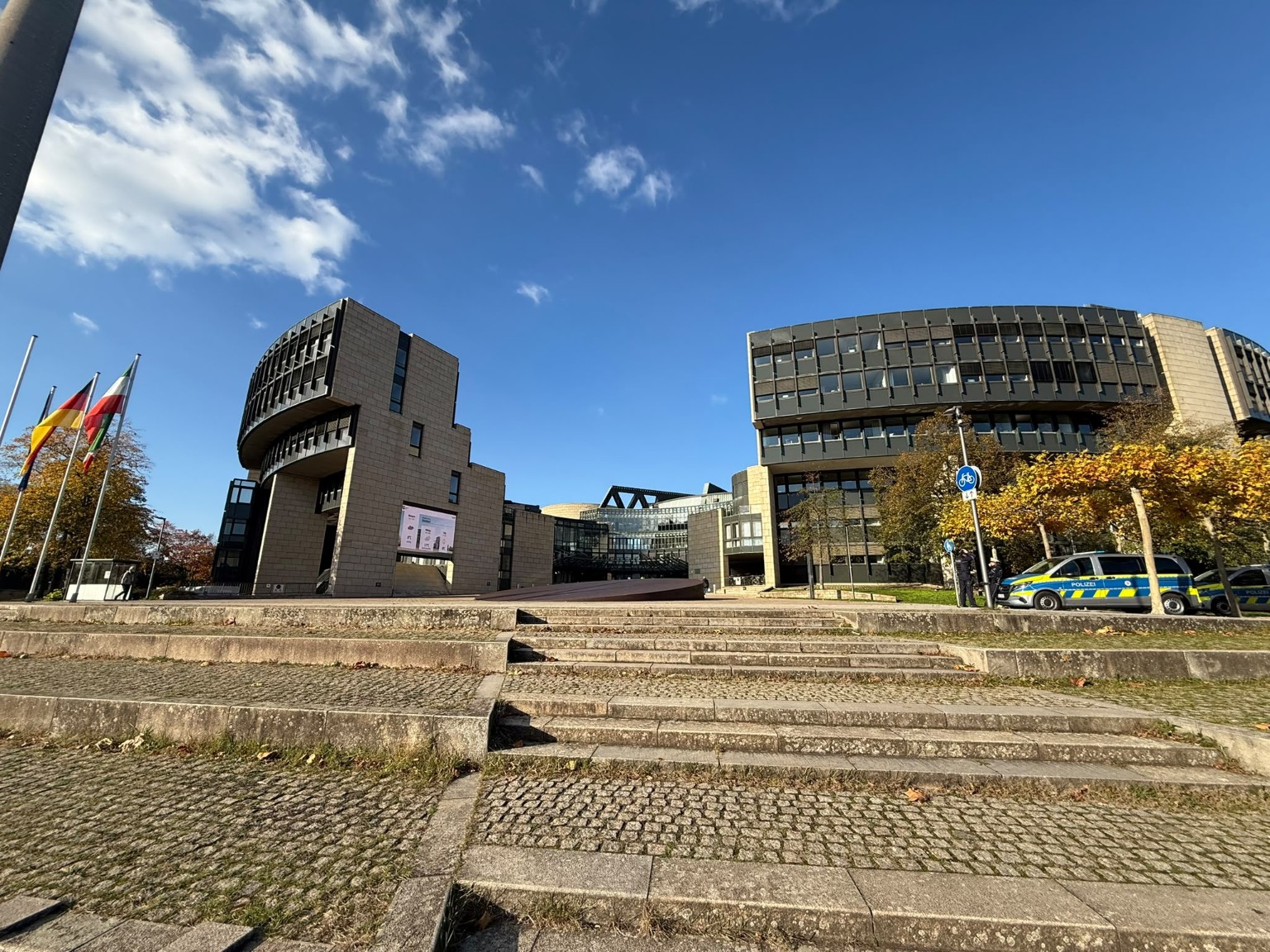
North Rhine-Westphalia lawmakers discuss deportations to Tajikistan
Düsseldorf, 4 November 2026 — The Integration Committee of Germany’s North Rhine-Westphalia state parliament discussed the deportation of Tajik nationals and the risk of persecution they face upon return. Farhod Odinaev, a representative of the Tajik opposition, reported on the meeting from Düsseldorf for Payom TV.
According to the parliament’s official agenda, deportations to Tajikistan were listed under the current affairs segment (Aktuelle Viertelstunde) of the committee’s 59th meeting.
Odinaev said the discussion focused on the state government’s position and the transparency of the deportation process. He said the government should publish official figures on how many people have been deported, explain the criteria used to make deportation decisions and clarify how the risks people face upon return are assessed.
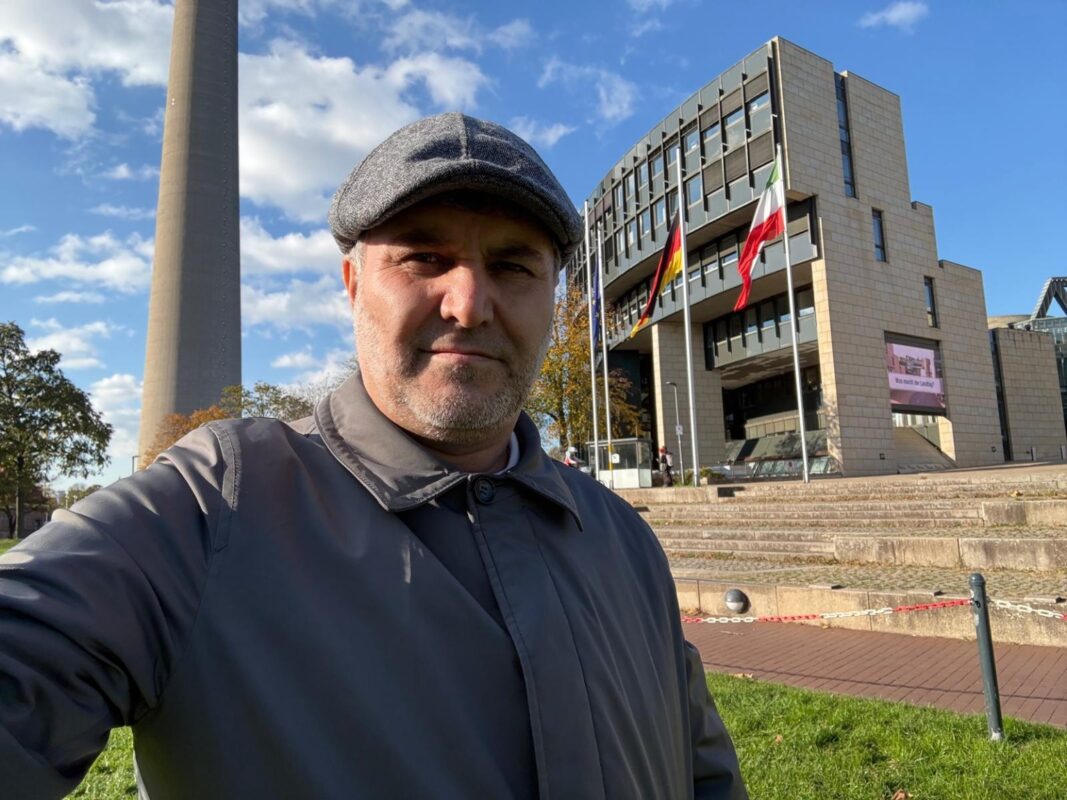
Farhod Odinaev outside the North Rhine-Westphalia state parliament building in Düsseldorf.
Odinaev said German authorities should explain how much weight they give to the risks of political persecution, torture and other human rights abuses in Tajikistan before deporting someone. Citing concerns raised by human rights defenders, he said political activity, public criticism of the authorities or ties to opposition groups could expose people to persecution after their return.
In a follow-up comment to Payom TV, Odinaev said he believed Verena Schäffer, the state minister responsible for refugee affairs, had studied the situation in Tajikistan closely and given clear, well-reasoned answers to lawmakers’ questions. In his view, however, she placed responsibility for mistakes on Germany’s Federal Office for Migration and Refugees (BAMF) without addressing the role of the courts. Odinaev said that in some cases, courts reviewing BAMF’s rejection of Tajik asylum claims had also failed to adequately assess the risks applicants would face upon return.
On 1 November, the German newspaper NRZ reported that Tajik activist Asadullo Boboev had been sentenced to 17 years in prison in Tajikistan after being deported from the district of Kleve in North Rhine-Westphalia. The newspaper reported that 15 people had been deported from the state to Tajikistan in 2026 as of 1 November.
Abschiebung NRW, which monitors deportations, says at least four Tajik activists have been deported from Germany to Tajikistan since 2023. Three had lived in North Rhine-Westphalia. Citing the same source, Odinaev identified Dortmund, Kleve and Kerken as their places of residence. That tally covers activists deported from Germany since 2023, while the NRZ figure covers all deportations to Tajikistan from North Rhine-Westphalia in 2026 up to the date of its report.
Meanwhile, in Bavaria, Tajik activist and Pamiri community representative Saidtaib Saidmamudov is being held at a deportation detention centre in Hof. Payom TV reported his detention in Hof on 2 November. The possibility of his return to Tajikistan has raised concerns that he could face persecution. The date and destination of any deportation remain unknown.
Odinaev told Payom TV that activists planned to visit Saidmamudov with a lawyer as soon as possible and take steps to prevent his deportation to Tajikistan.
According to Abschiebung NRW, Bilol Qurbonaliev was deported to Tajikistan from the same detention centre in 2023 and was sentenced there to 10 years in prison.
The committee’s official agenda did not name Boboev or Saidmamudov. At the time of this update, Payom TV had not confirmed whether either case had been discussed individually and had not obtained the text of the state government’s official response.

