

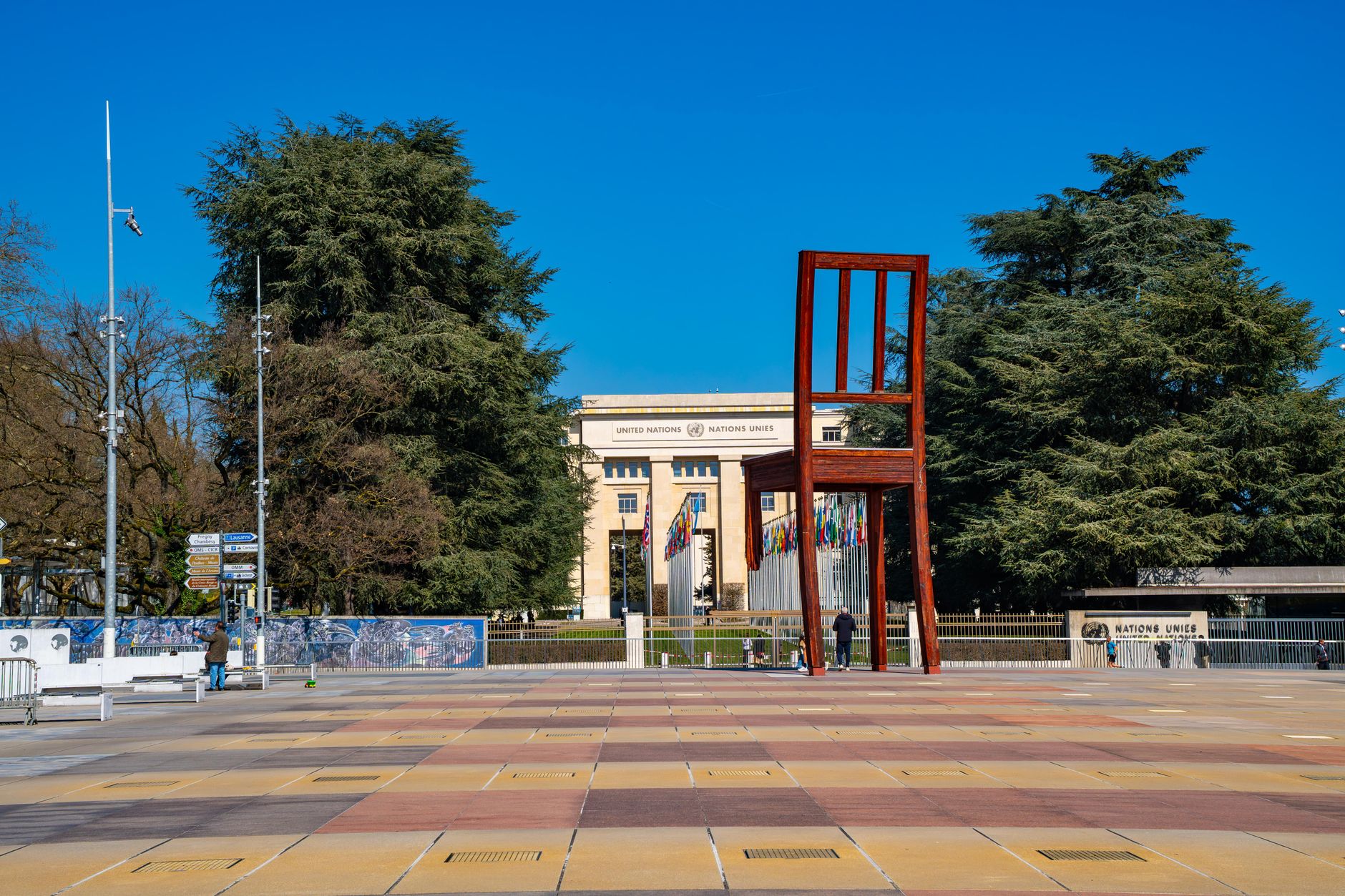
During the UN review of Tajikistan’s human rights record, Norway called for an end to politically motivated prosecutions of defence lawyers, journalists, human rights defenders and political opponents. It also demanded the immediate release of people arbitrarily detained by law enforcement authorities, an end to transnational repression, and the restoration of the activities of civil society organisations closed on political grounds.
According to the available account of the session, these recommendations were made during Tajikistan’s fourth Universal Periodic Review. The review took place in Geneva on 5 November 2026. Tajikistan’s delegation was led by Justice Minister Muzaffar Ashuriyon. A recording of the session is available on the official UN Web TV website.
Norway’s position addresses issues that international human rights organisations also raised in reports submitted ahead of the review. These include lengthy prison sentences for activists, restrictions on lawyers and media outlets, the closure of civil society organisations, and pressure on government critics abroad.
Persecution of Lawyers: A Recommendation Raised Again
During the 2021 review, Norway had already called on Tajikistan to ensure the independence and safety of defence lawyers so that they could perform their professional duties without harassment, interference or fear of arbitrary criminal prosecution. The recommendation is published on the official website of Norway’s Permanent Mission in Geneva.
However, in its April 2026 submission to the UN, Human Rights Watch reported on the imprisonment of lawyers and human rights defenders following the events in Badakhshan. According to the organisation, defence lawyer Faromuz Irgashov was sentenced to 30 years in prison, while Manuchehr Kholiknazarov, head of the Association of Lawyers in Pamir, initially received a 15-year sentence, later increased to 16 years. HRW describes their trials as closed proceedings that violated fair trial standards.
Journalists’ Sentences and Allegations of Torture
In its submission for the same review, the Committee to Protect Journalists (CPJ) states that nine journalists in Tajikistan have received lengthy prison sentences of up to 20 years since 2022. This figure represents the number of sentences handed down and should not be equated with the number of journalists currently imprisoned.
According to CPJ’s detailed submission, all nine journalists were tried behind closed doors. Charges relating to extremism or terrorism were used in eight cases, and the organisation questions their validity. CPJ also reports allegations of torture and ill-treatment to extract confessions in most of these cases.
This information provides a documented basis for concerns about the use of security legislation against peaceful activities. At the same time, allegations of torture require independent investigation; the secrecy surrounding the cases limits the possibility of independently assessing the evidence and the grounds for the convictions.
Transnational Repression: Disappearance Abroad and Imprisonment in Tajikistan
The demand to end transnational repression concerns pressure extending beyond national borders, including threats, detention, forced returns or enforced disappearances targeting critics in other countries.
In its 2026 report, Human Rights Watch refers to at least seven Pamiri activists who were forcibly disappeared in Russia and abducted to Tajikistan between November 2021 and August 2022. The organisation also addresses the cases of Suhrob Zafar and Nasimjon Sharifov in the context of the repression of government critics abroad.
The Closure of Civil Society Organisations
The issue of civil society activities is also supported by specific figures. According to Human Rights Watch, following the closure of more than 500 organisations in 2022, Tajik authorities announced that another 239 nongovernmental organisations had ceased operating in the first half of 2023. These closures included both court-ordered dissolution and self-liquidation.
In its report dated 21 October 2026, the International Partnership for Human Rights (IPHR) states that legal and administrative pressure on organisations continues. According to the report, more than 80 organisations ceased operating in 2025, with government pressure and funding difficulties among the factors contributing to the decline. Seven organisations were dissolved by court order.
The Position of the Tajik Authorities
According to the account of the session, Muzaffar Ashuriyon cited the adoption of the National Human Rights Strategy through 2038, the preparation of a new draft Criminal Code, tougher penalties for torture and the implementation of an amnesty as examples of action taken on previous recommendations. He also spoke about legal guarantees of freedom of expression and the operation of state-owned and independent media.
This is the position of Tajikistan’s delegation. The available account does not provide its separate response to each of Norway’s demands, including the release of detainees, an end to transnational repression and the re-registration of closed organisations.

